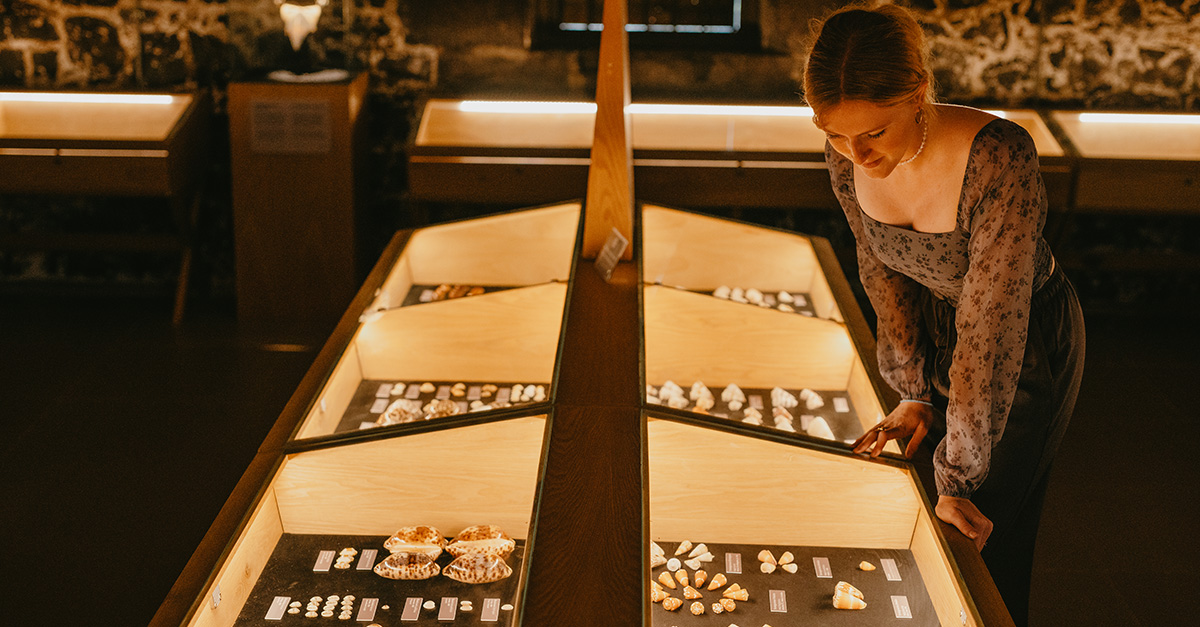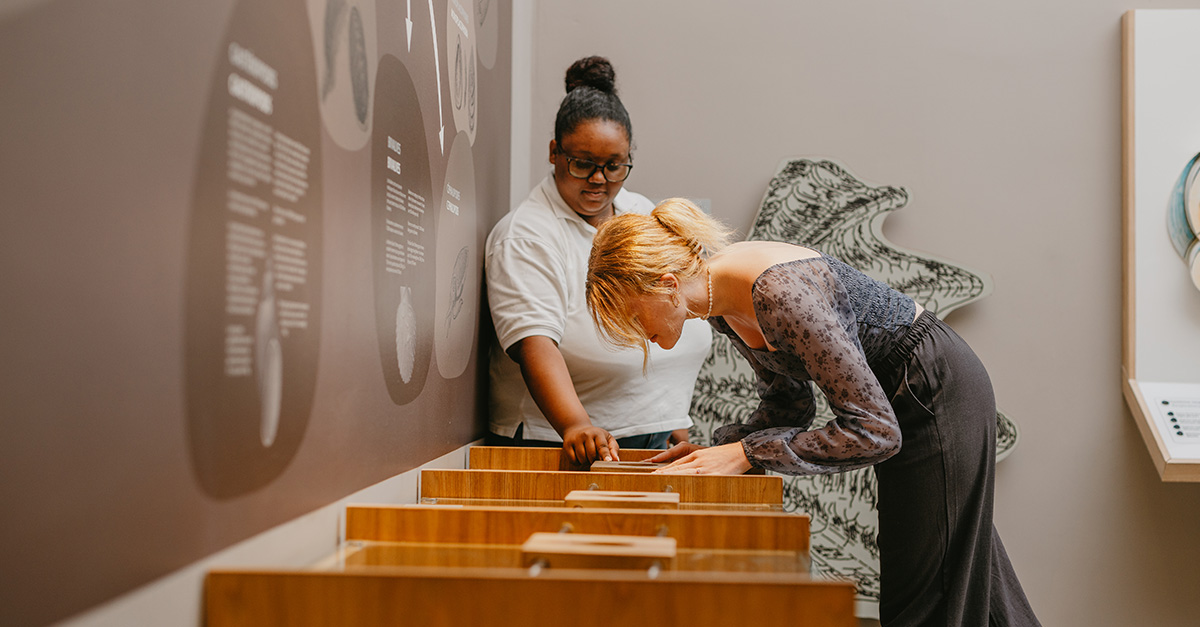
At the heart of Mauritius' rich biodiversity lies the World of Seashells, a unique museum dedicated to the preservation and education of marine life. This unique museum which forms part of Rogers Hospitality’s portfolio boasts the largest seashell collection on the African continent, housing over 1,500 species. More than just a showcase, it plays an important role in raising awareness about the fragility of our marine ecosystem. Through interactive exhibits and conservation efforts, the museum educates the public on the vital importance of seashell protection.
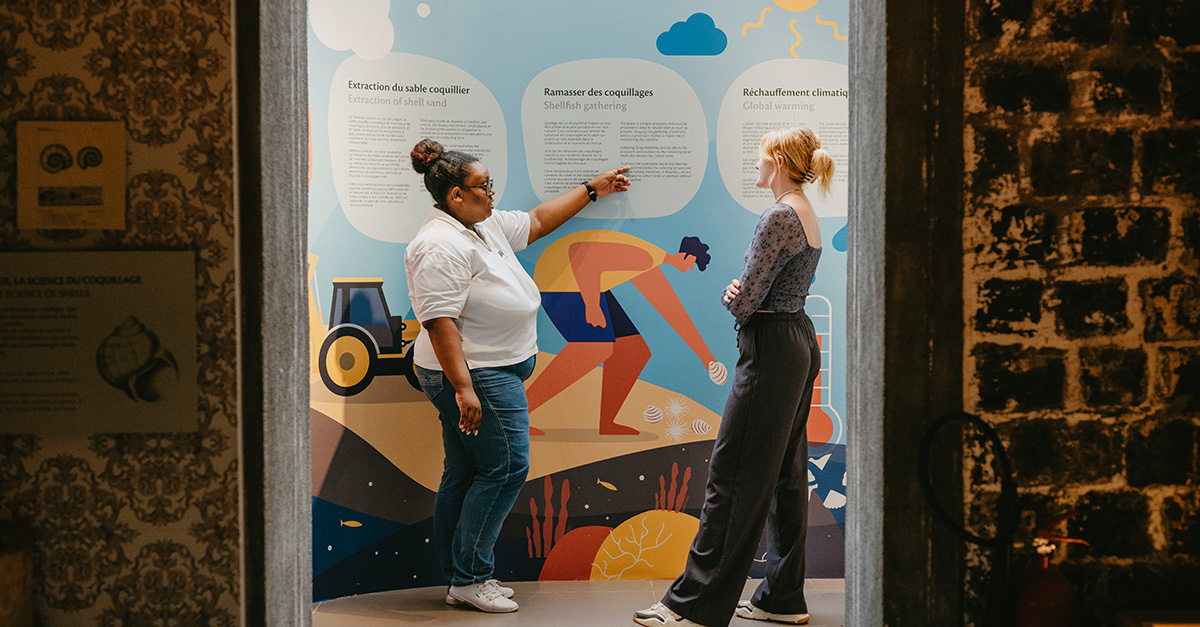
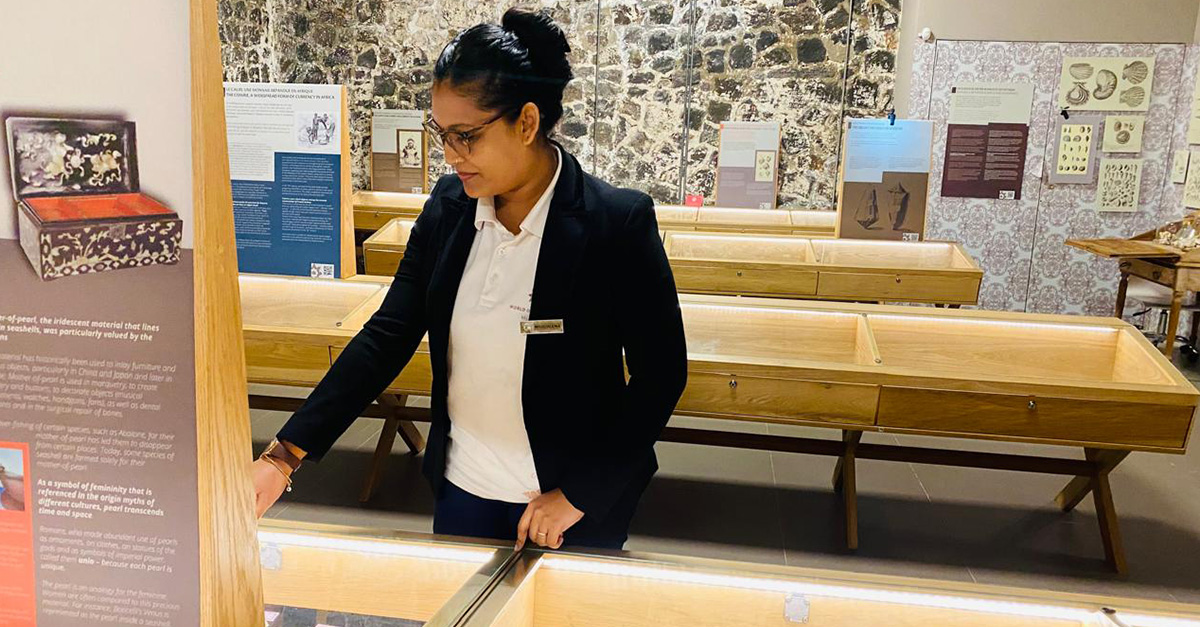
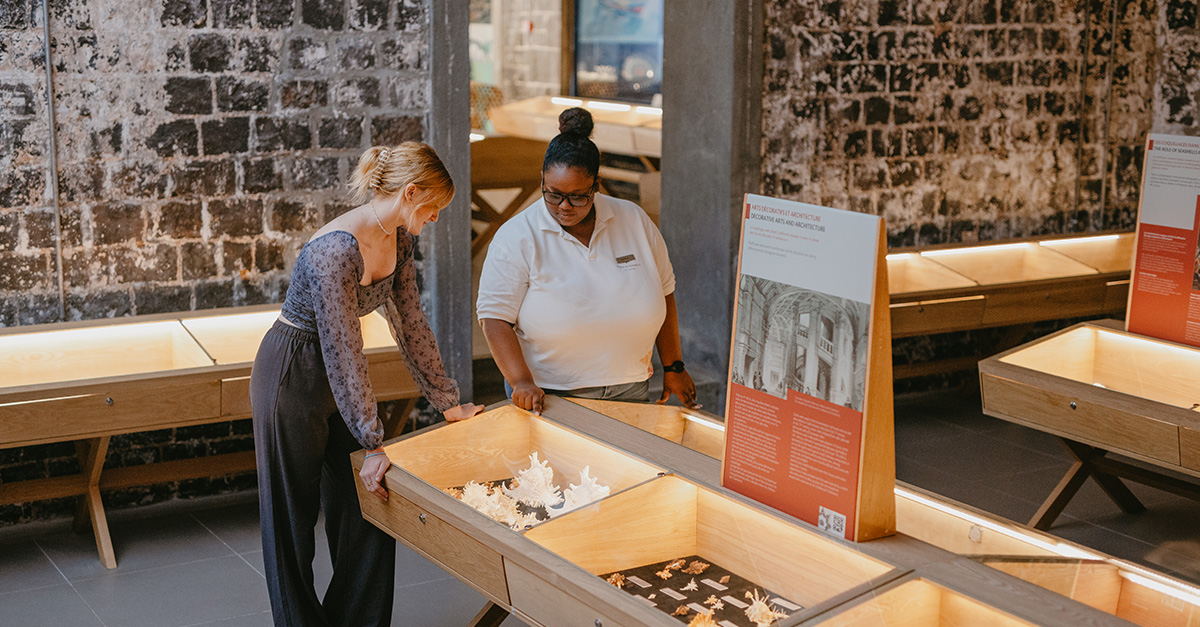
Together with Magdalena Mooroogen-Radha and Estelle Rose, both Gallery and Retail Assistants, we explore the current state of seashells in Mauritius and how we, as a group, are helping to safeguard this precious resource for future generations.
What’s the situation of seashells in Mauritius?
Well for starters, Mauritius lost 60% of its seashells in the last 30 years. So, a huge chunk of our fauna was hurt. There is still today a lot of ignorance from the public on the matter. For example, very few people know that since the 14th of July 2014, it is prohibited to collect and keep seashells. In 2019, we received our collection from Mr Lecourt de Billot, a certified collector. Our collection has since been untouched, representing 1500 different species.
Then what do you recommend to the people who encounter a beautiful seashell in the sea or on the beach?
Leave it! It is a living animal. Even if you encounter one on the beach, leave it there. It should be the same as doing a bottom glass tour in a boat. You can see but never touch. Respect for the environment is the best way to safeguard and protect seashells in Mauritius.
What does the museum do to help with the conservation of seashells?
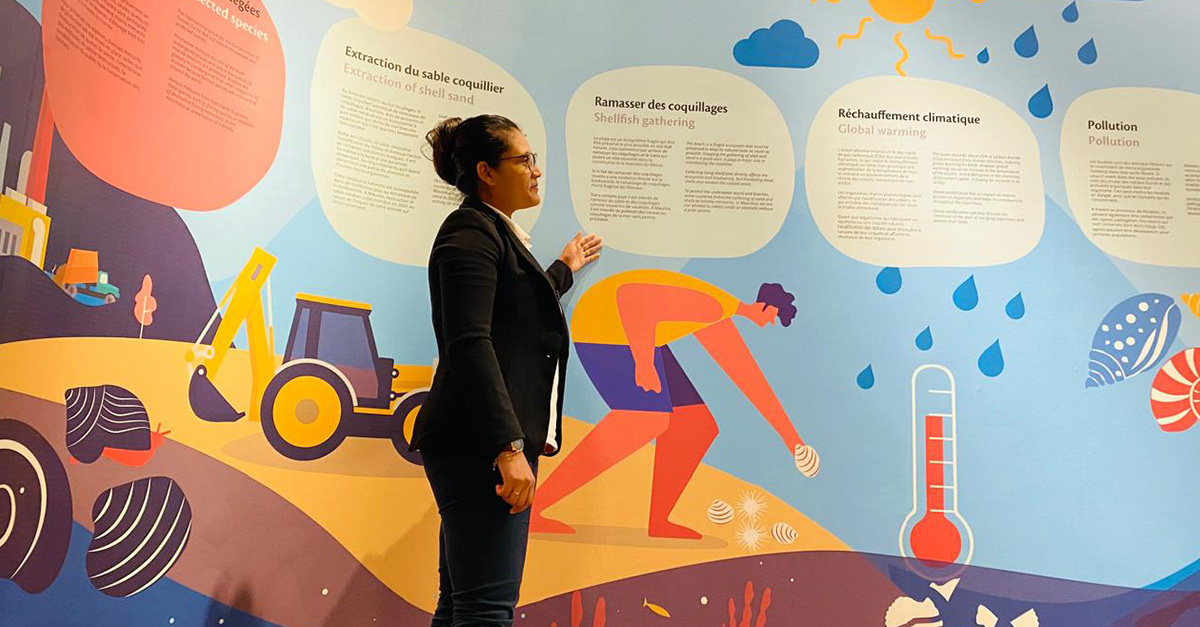
Our main focus is raising awareness. The museum features a biological-focused part where the visitor can learn everything about seashells, and also a part on all the factors that caused the loss of 60% of seashells in the last decades, so we learn from our mistakes and don’t make them again. Our shop does the same thing, we sell resin-made seashells so that visitors can bring home the beautiful seashells to decorate their homes without hurting nature and killing animals.
How do you preserve the natural seashells in your collection?
Our natural seashells are only for exposure. They are stored in drawers, at a cold temperature and with a special light that does not harm the colours or textures of our 8000 pieces. The conservation does not vary whether the seashells are endemic or venomous, whether they are small or big. We treat them all the same!